US Travel Visa
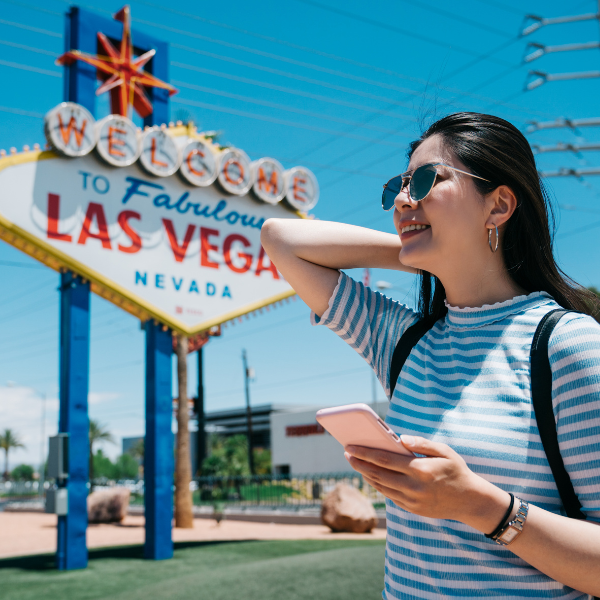
Planning a trip to the United States? Get complete assistance with your B1/B2 Visitor Visa application, documentation, DS-160 form, interview preparation, and post-submission support.
US Tourist Visa (B1/B2 Visa) – Expert Visa Assistance for Your USA Travel
Think of the B1/B2 as the catch-all category most Indian travellers end up with. It's a non-immigrant visa, meaning it lets you visit the US temporarily without granting any right to work or settle there. B1 covers the business side, meetings, conferences, negotiations, while B2 handles tourism, family visits, medical treatment, and general leisure trips. In practice, most applicants from India don't get one or the other separately, they receive a combined US tourist visa that covers both purposes under a single stamp.
Pretty much anyone planning a temporary, non-immigrant trip needs this visa unless they qualify for the Visa Waiver Program instead.Validity differs by nationality ,too. Indian citizens usually get a 10-year multiple-entry visa, which sounds generous, but it doesn't actually decide how long you can stay on any single visit. That call belongs to the CBP(Customs and Border Protection) officer at your port of entry, who looks at your circumstances on the day and makes the decision then and there. This is also why so many applicants planning a US tourist visa from India assume the 10-year validity guarantees a long stay each time, when it really doesn't work that way.
Latest US Tourist Visa Updates (2025–2026)
A few shifts are worth knowing before you apply for a US tourist visa from India.
- Expanded digital screening
Digital and social media checks have grown noticeably more common for many applicants over the past year. - Narrower interview waiver eligibility
Certain applicants may qualify for interview-waiver programmes depending on prevailing policies and eligibility criteria. - Rising appointment demand
Wait times across Indian consulates currently range anywhere from six weeks to several months ,depending on the city, so early planning matters more than ever for anyone pursuing a USA visitor visa. - Closer scrutiny of applications
Consular officers are now examining financial stability, prior travel history, stated purpose, and ties to home country more carefully than before, all part of the broader tourist visa requirements for the US that applicants need to keep in mind.
None of this means a US travel visa has gotten harder to secure across the board; it simply means weak applications get noticed faster than they used to.
Benefits of a US Tourist Visa
A B1/B2 visa opens up tourism across all 50 states, casual visits with family and friends, attendance at business meetings or conferences, and access to medical treatment when needed. Multiple entries are typically allowed within the visa's validity period, which matters quite a bit for travellers who visit the US more than once a year. Plenty of applicants also use the trip to scout universities ahead of future study plans, getting a feel for campuses before committing to anything formal. For Indian travellers especially, securing a US travel visa opens doors that a short-term tourist trip alone wouldn't otherwise provide.
Types of US Visitor Visas
- The B1 Business Visa - suits business meetings, negotiations, training sessions, conferences, and similar professional events where the trip itself is work-related rather than leisure.
- The B2 Tourist Visa - covers tourism, vacations, family visits, medical treatment, and general leisure travel, essentially anything that isn't tied to business activity.
- The Combined B1/B2 Visa - remains by far the most commonly issued category, covering both purposes under one application rather than forcing applicants to choose and apply separately.
Most people applying for a USA visitor visa from India end up with this combined version, since it offers more flexibility without any real downside.
Eligibility Requirements
Meeting the tourist visa requirements for US entry comes down to demonstrating a few key things to the consular officer reviewing your case. Applicants applying for a US tourist visa from India should generally be able to show:
- A genuine intention to visit temporarily, rather than settle or work
- A valid passport with sufficient validity remaining.
- Strong financial capability to comfortably fund the trip
- Stable employment or business commitments back home
- Strong ties to their home country, family, property, career, or otherwise
- A clear and legitimate purpose for travel
- A good travel history, where applicable, though this isn't mandatory for first-time applicants
Required Documents Checklist
Pulling together the documents required for US tourist visa applications usually means working across five broad categories, though not every applicant needs every single item on the list below.
- Identity: Passport, recent photograph, DS-160 confirmation
- Financial: Bank statements, salary slips, income tax returns, business or investment proof
- Employment: Leave approval, employment certificate, business registration
- Travel: Itinerary, hotel bookings, invitation letter, where applicable
- Supporting: Previous visas, travel history, property documents, family relationship proof
Financial documents tend to matter most in practice, since this is where applications either hold up well or start to look thin. Employment paperwork backs that up further, giving the consular officer a clearer sense of what you're returning home to. Supporting documents and travel complete the story. They help to show a real, well thought out trip, not a vague, or last minute one.
Processing Time & US Tourist Visa Fee
Budgeting for a US tourist visa starts with the government application fee, paid before you can even schedule your appointment. There's no getting that fee back either, approved or refused, it's gone either way, so it's worth treating as a fixed cost from day one rather than something contingent on the outcome.
What's harder to pin down is the timeline. Embassy workload shifts the schedule constantly, some cases sail through review while others end up flagged for administrative processing that adds weeks or more. Passport return adds another stretch once approval actually comes through. And then there's the wait for the interview itself, which varies dramatically depending on which Indian consulate you're applying through. That unpredictability is exactly why so many applicants turn to experienced US visa travel agents early on, rather than trying to navigate the scheduling maze alone.
Why Choose Welkin Migration?
People underestimate the importance of attention to detail and this is where our team really earns its stripes on your app.
- We take care of your DS-160 form, catching the small errors that tend to cause delays further down the line.
- Mock interview sessions cover the questions consular officers actually ask, so you walk in prepared instead of guessing.
- Every document, financial, employment, travel-related, gets reviewed thoroughly before submission, with refusal risks flagged early enough to actually fix.
- You work with one dedicated consultant throughout, never a different person each time you call.
- We've supported a genuinely wide range of profiles, salaried professionals, business owners, students, retirees, and first-time travellers alike.
- Regular updates keep you informed at every stage, so the process never feels like a black box.
As trusted US visa travel agents, we help applicants pursuing a USA visitor visa navigate the entire journey with far less guesswork.
- Why Choose Us -
Welkin Migration
+50
Visa Consultants
+100
Immigration Supports
+10
Countries
+99%
Success Rate
- Testimonials -
What Our Client Say's

"Welkin Migration made my dream of establishing a startup in Canada a reality! Their expertise in the Canada Startup Visa program streamlined the entire process, and I'm now proud to say that my business is thriving in Toronto. Thank you, Welkin Migration!"
"I am incredibly grateful to Welkin Migration for their assistance with the UK Innovator Founder Visa. Their team guided me through every step of the application process, ensuring a smooth and successful outcome. I highly recommend their services to anyone looking to expand their business to the UK."
"I cannot thank Welkin Migration enough for their support in my journey to Canada through the Skilled Migration program. From initial consultation to visa approval, their team provided invaluable guidance and assistance. I'm now happily settled in Vancouver, pursuing my career goals."
Frequently Asked Questions
There's no fixed number consular officers look for. More important is consistency, funds that can easily cover your trip but also reflect financial stability back home.
That depends heavily on the consulate and your specific case. Across India right now, interview wait times swing anywhere from a few weeks to several months depending on the city.
You can, yes. Family visits sit squarely within the B2 category, right alongside tourism and medical treatment purposes.
The visa itself doesn't decide that. It's the CBP officer at your port of entry who makes that call, and stays typically run up to six months per visit.
You're allowed to, and there's no mandatory waiting period either. That said, reapplying without actually strengthening your application rarely produces a different result.