
Poland Job Visa
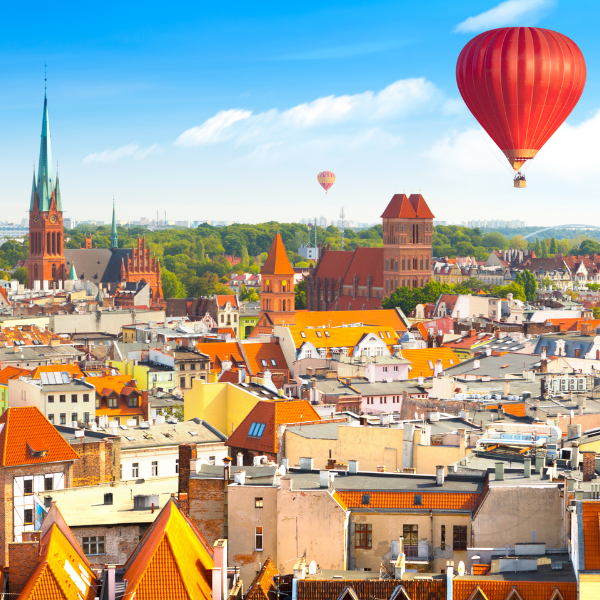
Take the next step toward an international career with a Poland Work Visa. Poland offers excellent job opportunities across industries for skilled professionals seeking employment in Europe. Welkin Migration provides expert guidance on eligibility, documentation, and visa applications, ensuring a smooth and hassle-free process from start to finish.
Poland Work Visa- Work and Build Your Career in Poland
Poland does not just tolerate international workers. It actively needs them. Manufacturing, construction, logistics, IT, engineering, hospitality, food processing, agriculture, and healthcare are all sectors where demand for foreign professionals has been building steadily over recent years. At Welkin Migration, we help eligible applicants work out which route fits their situation, build a complete documentation package, and move through the Poland work visa process without unnecessary delays.
Latest Poland Work Visa Updates 2025–2026
- Digital Work Permit and Residence Applications:
- Employer Compliance and Documentation Requirements:
- Growing Demand for International Workers
Parts of the Polish immigration system are shifting toward online platforms and digital submission for selected procedures. This does not apply equally across every permit category, and the requirements for each application type remain specific to that category.
Polish employers taking on foreign nationals carry their own set of legal and administrative obligations. The correct work authorisation and supporting documentation need to be in place before employment starts, not after. Both the employer and the worker share responsibility for getting this right from the beginning.
Poland continues to recruit internationally across manufacturing, construction, logistics, warehousing, IT, engineering, hospitality, food processing, agriculture, and healthcare. Opportunities are real but vary considerably depending on the occupation, the employer, and the region. Not every sector is hiring equally in every part of the country.
Why Work in Poland?
Poland's economy has grown consistently over the past two decades, and that growth shows up in the job market in ways that matter to international workers. Salaries in selected industries hold up well against a cost of living that is still more manageable than most Western European destinations. Eligible residents may travel within the Schengen Area for short stays, subject to applicable rules, though it is worth being clear that a Polish residence permit does not automatically give any right to live or work in another Schengen country. Beyond the financial picture, Poland offers genuine career development in growing sectors, realistic family reunification options, and a path toward long-term residence that does not feel out of reach for candidates who approach it properly.
Types of Poland Work Visas and Employment Routes
The main options under current Polish immigration rules include:
- National D Work Visa: The standard entry route for those coming to Poland to take up employment.
- Type A Work Permit: Commonly used for employment with a specific Polish employer, where applicable.
- EU Blue Card: Available to eligible highly qualified professionals who meet the relevant salary and qualification thresholds
- Seasonal Work Visa: For roles in agriculture and other industries with time-limited hiring cycles.
- Intra-Company Transfer Visa: For employees moving within a multinational organisation.
- Temporary Residence and Work Permit: A combined document covering both residence and employment authorisation.
Poland Work Visa Eligibility
Requirements for a Poland working visa shift depending on which route and permit category applies. Most applications will involve some version of the following:
- A valid passport with enough remaining validity to cover the application and stay
- A confirmed job offer or signed employment contract from a Polish employer
- An approved work permit or work authorisation, where the specific category requires one
- Educational qualifications relevant to the role, where applicable
- Relevant professional experience
- Health or medical insurance covering the intended period of stay
- Proof of financial means, where the category demands it
- Full compliance with Polish immigration and employment regulations
Poland Work Visa Costs
The cost of a work visa in Poland varies depending on nationality, type of visa, route of residence and individual circumstances. The costs typically involved include the government visa application fee, work permit fees where applicable, residence permit fee after arrival, document translation and legalisation costs, health insurance and biometric/appointment related fees where required. Welkin Migration will be able to give a clearer breakdown of costs once the specific visa category and profile has been properly assessed.
In-Demand Jobs in Poland (2026)
Poland is not short of hiring activity right now. Across manufacturing, construction, technology, logistics, and hospitality, international workers are being actively recruited. Roles currently seeing genuine demand include:
- Warehouse Worker, Factory Worker, Machine Operator, Production Supervisor
- Construction Worker, Welder, Electrician, Plumber
- Truck Driver, Logistics Coordinator
- Software Developer, Mechanical Engineer, Civil Engineer
- Hotel Staff, Chef, Caregiver
Demand levels shift by region, employer, and occupation. Not every role listed sees equal activity across all parts of Poland.
Average Salary in Poland
What lands in your account each month depends heavily on the industry, the city, your experience, your qualifications, and who your employer is. IT professionals and engineers tend to attract competitive packages relative to the local market. Construction and manufacturing wages shift with skill level and the type of work involved. Hospitality pay differs considerably between Warsaw and smaller regional cities. Healthcare wages depend on role and employer. Logistics warehousing salaries are dependent on shift pattern and experience, not a fixed scale. All figures are indicative only, change over time and should not be treated as guaranteed outcomes. Welkin Migration does not promise specific salary results for any Poland work visa holder.
Can You Bring Your Family to Poland?
Eligible Poland work visa holders may be able to apply for family reunification covering a spouse and dependent children, subject to the sponsor's residence status and the applicable Polish immigration requirements at the time of application. Dependent family members may access education in Poland and, in certain circumstances, may also have the right to work, depending on the residence permit conditions that apply.
Long-Term Residence and Citizenship Pathway
Getting from a Poland work visa to citizenship is a multi-stage process. No stage happens automatically. The route depends entirely on permit type, years of lawful residence, and current Polish law.
- Step 1: Enter on a Poland work visa and obtain a temporary residence permit where applicable.
- Step 2: Renew residence and maintain a continuous, lawful stay throughout.
- Step 3: Apply for a qualifying long-term or permanent residence route when eligible.
- Step 4: Apply for Polish citizenship, subject to residence duration, language proficiency, and all other applicable legal requirements.
Why Choose Welkin Migration?
A Poland work visa application does not fail by accident. It fails because something was missed before submission. Finding those things first is what we do.
- Personalised Work Visa Strategy: We look at your profession, job offer, qualifications, and where you want to be professionally before making any recommendation.
- Complete Documentation Assistance: Contracts, certificates, financial records, immigration forms. Everything goes through a proper review at our end before it reaches anyone else.
- Poland Immigration Experts: Polish work authorisation catches a lot of applicants off guard. As a trusted Europe Immigration Consultant across multiple European destinations, we know the pressure points and deal with them before they become setbacks.
- Family Visa Guidance: Spouse and dependent applications run alongside your primary poland working visa from day one. Not something we revisit later.
- Refusal Risk Assessment: Documentation gaps and eligibility issues get flagged before submission.
Our Schengen visa agents in Mumbai also support applicants exploring wider European immigration options alongside their Poland work visa case. Welkin Migration does not guarantee approval. We make sure your application is the strongest version of itself before it goes anywhere.
poland work visa Documents Required
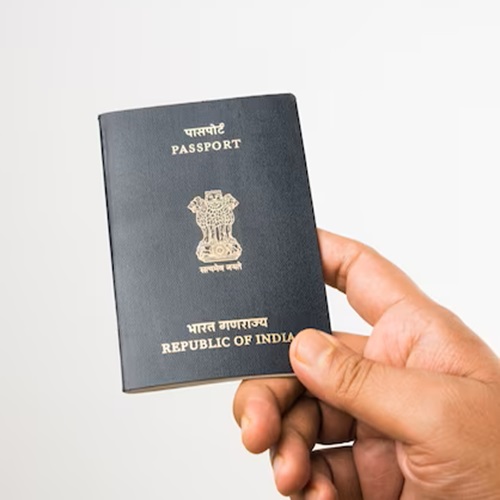
Valid passport

Work Permit

Employment Contract

Professional Documents

Health Insurance

Proof of Fund
- Why Choose Us -
Welkin Migration
+50
Visa Consultants
+100
Immigration Supports
+10
Countries
+99%
Success Rate
- Testimonials -
What Our Client Say's

"Welkin Migration made my dream of establishing a startup in Canada a reality! Their expertise in the Canada Startup Visa program streamlined the entire process, and I'm now proud to say that my business is thriving in Toronto. Thank you, Welkin Migration!"
"I am incredibly grateful to Welkin Migration for their assistance with the UK Innovator Founder Visa. Their team guided me through every step of the application process, ensuring a smooth and successful outcome. I highly recommend their services to anyone looking to expand their business to the UK."
"I cannot thank Welkin Migration enough for their support in my journey to Canada through the Skilled Migration program. From initial consultation to visa approval, their team provided invaluable guidance and assistance. I'm now happily settled in Vancouver, pursuing my career goals."
Frequently Asked Questions
Poland is not like some destinations where you can arrive and look for work on a standard visa. Most permit categories ask for a signed employment contract from a Polish employer before anything moves forward. What exactly you need depends on which category applies to your situation.
The permitted stay ties directly to the permit type and the conditions written into it. Temporary residence and work permits run for a set period, and letting one expire without renewing it creates legal complications that are avoidable with a bit of forward planning.
It depends entirely on the role and the employer. Plenty of sectors bring in international workers without any formal Polish language requirement. Regulated professions are a different matter and may carry specific language expectations that need to be checked before applying.
A refusal is not necessarily the end of the road. What matters is understanding precisely why it happened. Reapplying without addressing the actual reason rarely produces a different outcome. Getting the documentation and eligibility right the second time around is what changes the result.
For most applicants, the initial Poland work visa application goes through the Polish consulate or embassy in their home country. The exact procedure varies by nationality and the specific permit category being applied for, so confirming the correct submission route before starting is worth doing early.