For years, the F-1 USA student visa has worked on an open-ended basis. As long as a student stayed enrolled and followed the rules, there was no fixed date by which they had to leave the country. The US Department of Homeland Security has previously discussed introducing a fixed admission period, under which students could be granted a stay for a limited duration rather than under the current Duration of Status system.
Under the proposed change, students would be admitted only for the length of their programme, up to a maximum of four years. Those in longer courses, such as PhDs, would need to apply for an extension before their stay expires. The post-study grace period may also shrink from 60 to 30 days.
For most Indian students pursuing a standard two-year master's, this shouldn't cause much trouble, since their course fits comfortably within the limit. It's a good time to stay informed, not worried, and keep working towards your USA student visa with realistic expectations.
What documents are required for a USA Student Visa?
Document preparation is where most visa applications either succeed smoothly or run into unnecessary delays. For a USA student visa, applicants need a valid passport, the I-20 issued by their university, the SEVIS fee receipt, and a printed copy of the DS-160 confirmation page. Academic transcripts, test scores, the admission letter, and a genuinely well-written statement of purpose should also be part of this file.
Financial proof tends to receive the closest attention from consular officers, who want assurance that a student can fund their education without resorting to unauthorised work. With verification standards tightening this year, more thorough background checks and fewer interview waivers being granted, it becomes important to ensure that figures and documents align consistently throughout the application. A single mismatched number can lead to avoidable questioning at the interview, so reviewing everything carefully in advance is time well spent.

How much bank balance is required for a USA Student Visa?
This is probably the question most parents ask first, and fair enough, since money worries tend to overshadow everything else once admission is confirmed. The truth is, there's no single figure that works for every applicant. The required bank balance depends entirely on the cost of attendance set by each university, which covers tuition along with roughly a year's living expenses. Indian students should be prepared to show funds for at least the first year, whether that comes from personal savings, an education loan, fixed deposits, or a sponsor's backing.
What often catches families off guard, though, is that the cost for USA student visa applications doesn't stop at tuition. There's the SEVIS charge, the visa application fee, and more recently, a Visa Integrity Fee that's been added to the mix. Planning for these expenses early avoids last-minute financial pressure before departure.
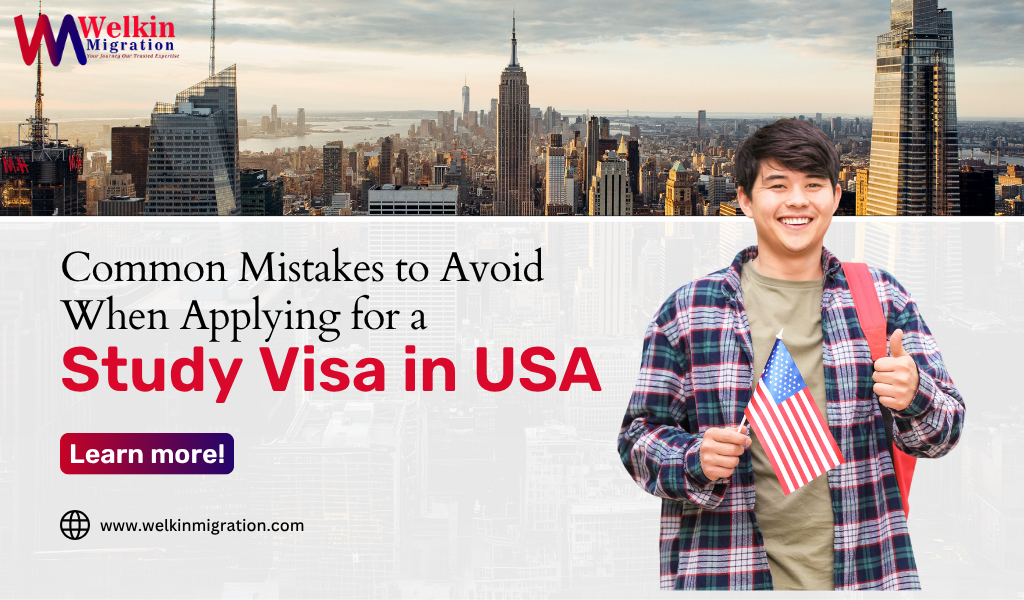
Also read:- Common Mistakes to Avoid When Applying for a US Student Visa
How long does it take to get a USA Student Visa?
Visa timelines matter more than most applicants expect, since flight bookings, accommodation, and orientation dates all depend on this single step. As a general guide, allow a few weeks between the interview and the final decision, though this varies by consulate and season. Interview waivers are harder to obtain this year, and additional security checks have become standard, so applying early is straightforward good planning.
Many families find it helpful to work with an experienced USA student visa consultant for accurate, up-to-date guidance. In Mumbai, several established US immigration consultants in Mumbai follow changes to student visa rules in USA closely and can assist with both documentation and interview preparation, which makes a meaningful difference when timelines are tight. It is also worth keeping in mind that immigration policy rarely changes overnight. New rules typically pass through months of review before coming into effect, giving students and universities time to prepare.
Conclusion
Policy changes are part of the immigration landscape, and Indian students have navigated far more complex shifts than this. The basics have not changed: get finances in order, keep documents accurate, and do not leave the application to the last minute. What the current conversation around USA student visa expiry dates really demands is attention. Students who stay on top of things, understand the student visa usa process, and prepare early can go on to pursue their academic goals with confidence. In the end, a confident application comes down to one thing almost always: preparation that started early enough.
FAQs on US Student Visas
1. What are the different types of US student visas?
The main US student visas are F-1 (academic studies), M-1 (vocational studies), and J-1 (exchange visitor programs). Your visa type depends on your course and institution.
2. What documents are required for a US student visa?
You typically need a valid passport, Form I-20, DS-160 confirmation, visa fee receipt, SEVIS fee receipt, academic records, financial proof, and passport-size photographs.
3. How long does it take to process a US student visa?
Processing times vary, but most US student visas are processed within a few days to several weeks, depending on appointment availability and administrative processing.
4. Can I work while studying in the USA?
Yes. F-1 students can work on-campus during their studies and may be eligible for OPT (Optional Practical Training) or CPT (Curricular Practical Training) if they meet the eligibility requirements.